
Is PPF worth it for drivers in South Florida? Paint protection film (PPF) is worth it for many vehicle owners because it prevents rock chips, preserves factory paint, and reduces repaint costs that can exceed $1,000.
This guide from SoFlo Suds Auto Detailing & Ceramic Coating examines the costs, benefits, and real-world protection that paint protection film provides. We’ll also look at how PPF protects against common local issues like road debris, rock chips, and parking lot door dings, helping you decide if the investment makes sense for your vehicle.
Table of Contents
Key Takeaways
- Paint protection film (PPF) is worth it for many drivers because it protects against rock chips, scratches, and costly paint repairs, especially for new or high-value vehicles.
- PPF typically lasts 5 to 10 years with proper installation, quality film, and regular maintenance.
- Typical PPF costs range from $600 to $10,000+, depending on coverage: partial front, full front, or full-body protection.
- PPF provides the strongest physical paint protection compared with ceramic coating or vinyl wrap, which focuses more on gloss or appearance.
- Daily highway drivers, leased vehicles, and cars over $25,000 benefit most from PPF because preserving factory paint can improve resale value by 3 to 8%.
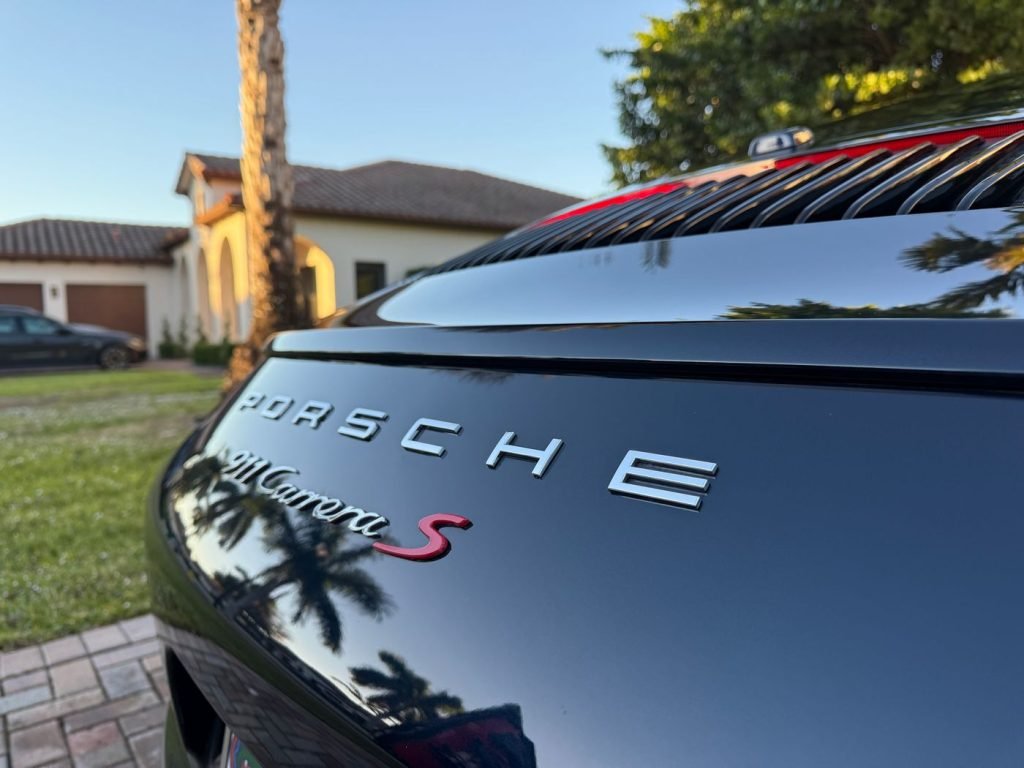
Is Paint Protection Film (PPF) Worth It?
Yes, paint protection film is worth it for most drivers because it prevents rock chips, preserves resale value, and protects expensive paint repairs.
PPF is especially valuable for:
- Daily highway drivers exposed to road debris
- New vehicles with factory paint
- High-value cars where paint repairs cost $1,000+
However, PPF may not be cost-effective if your vehicle is older, low-value, or if you plan to sell it within two years.
Does Self-Healing PPF Actually Fix Scratches?
Yes, self-healing paint protection film (PPF) can repair many light surface scratches. The film contains a specialized elastomeric topcoat that softens when heat is applied, allowing the surface to return to its original shape.
In real-world conditions, self-healing PPF can repair about 70–90% of minor scratches, depending on the quality and thickness of the film.
Heat sources that activate self-healing include:
- Direct sunlight
- Warm water (about 120–140°F)
- Gentle heat from warm air
For example, light grocery cart scratches or swirl marks can often disappear after pouring warm water over the surface and gently rubbing the area.
However, self-healing PPF has limits. It cannot repair more serious damage, such as:
- Deep gouges
- Edge cuts
- Severe impacts
In those cases, the affected film section usually needs professional repair or replacement.
How Much Does PPF Cost? Partial Front vs Full Front vs Full Body
As explained in this PPF cost guide, there are three main coverage tiers: Partial-Front, Front-End, and Full-Body. Costs vary depending on film quality, vehicle design complexity, and local labor rates.
Coverage Type | Typical Price Range | Area Covered | Typical Install Time | Best Use Case |
Partial-Front PPF Coverage | $600 to $1,200 | Hood, Leading Edge, Bumper, Mirrors | 2 to 4 Hours | Daily commuters and leased cars |
Front-End Coverage | $1,200 to $2,500 | Full Hood, Bumper, Fenders, Mirrors | 4 to 8 Hours | Frequent highway drivers |
Full-Body PPF Coverage | $5,000 to $10,000+ | Entire Vehicle Paint Surface | 20 to 40+ Hours | High-value cars and show vehicles |
Example:
A 2019 Toyota Camry partial-front install might run you $800 and take three hours. Full-body for the same model can push past $6,500 and require 25 to 35 labor hours. PPF prices vary depending on your vehicle’s shape, film quality, and local labor rates.
How Long Does PPF Last? Lifespan, Warranties, and Replacement
PPF Lifespan
Most modern paint protection films (PPF) last 5 to 10 years, depending on several factors:
- Film quality
- Installation quality
- Climate conditions
- Vehicle maintenance habits
Professional installation and proper maintenance can help extend the lifespan of PPF, especially in hot climates like South Florida, where strong UV exposure can affect vehicle paint over time.
PPF Warranties
Most reputable PPF manufacturers provide warranties that cover manufacturing defects, including:
- Yellowing
- Delamination
- Cracking
- Bubbling
However, warranties typically do not cover damage caused by:
- Accidents or collisions
- Deep scratches or gouges
- Improper installation or maintenance
Always review the warranty details provided by your installer or film manufacturer.
When Should PPF Be Replaced?
Over time, paint protection film may need replacement if you notice signs of wear, such as:
- Edge lifting
- Persistent staining
- Large tears or visible damage
- Adhesive failure
If your film is still under warranty, keep installation receipts and dated photos, as these documents are often required when filing a warranty claim.
PPF Vs. Ceramic Coating Vs. Vinyl Wrap: Which Protects Your Paint Best?
PPF, ceramic coating, and vinyl wrap all protect or enhance your vehicle’s paint, but they serve different purposes. The table below compares their protection level, cost, lifespan, and primary benefits.
Protection Type | Primary Purpose | Protection Level | Typical Cost | Lifespan | Best For |
Paint Protection Film | Physical paint protection | Excellent against rock chips, road debris, and minor scratches | $600 to $10,000+ depending on coverage | 5 to 10 years | Drivers who want maximum protection from highway debris |
Ceramic Coating | Gloss and surface protection | Protects against UV, oxidation, and contaminants, but does not protect against impacts | $300 to $2,000 | 2 to 5 years | Owners who want shine, hydrophobic properties, and easier cleaning |
Vinyl Wrap | Appearance customization | Minimal protection from chips or impacts | $2,000 to $5,000 | 3 to 7 years | Drivers who want to change the color or style of their car |
In most cases, PPF provides the strongest physical protection against rock chips and road debris. Ceramic coatings are valued for their aesthetic and practical benefits, including enhanced gloss, hydrophobic properties, and easier cleaning. Vinyl wraps, however, are primarily used for appearance and offer less impact resistance than PPF.
Can You Install PPF Yourself? DIY Kits Vs. Professional Installation
Yes, you can install paint protection film (PPF) yourself using a DIY kit. However, applying PPF correctly requires experience and precision. DIY kits can reduce installation costs by 40–70%, but improper installation often leads to issues such as air bubbles, misalignment, or edge lifting.
The table below compares DIY installation vs professional installation.
Feature | DIY PPF Kits | Professional Installation |
Cost | Lower upfront cost | Higher upfront cost |
Installation Difficulty | High | Low (handled by experts) |
Common Issues | Bubbles, misalignment, edge lifting | Minimal when installed correctly |
Tools & Environment | Basic tools, uncontrolled environment | Professional tools and controlled workspace |
Appearance | May show seams or imperfections | Clean, nearly invisible finish |
Durability | Often shorter lifespan | Longer-lasting protection |
Conclusion:
- For small panels, a DIY kit may work if you are comfortable with detailed installation work.
- However, for front-end protection or full-body PPF, professional installation usually provides better durability, cleaner edges, and a more seamless appearance.
How Do You Maintain PPF? Car Wash And Care Tips
- Wash your car regularly using pH-neutral car soap and a soft microfiber wash mitt. For most daily drivers, washing twice per month helps keep the film clean and prevents contaminant buildup.
- Automatic car washes can be safe if high-pressure jets stay at least 12 inches away from film edges to prevent lifting.
- Avoid abrasive polishes and harsh brushes, especially pressure washers exceeding 1,500 PSI, which can damage the film or loosen edges.
- Remove bird droppings and tree sap quickly using warm water (about 120–140°F) and a gentle phosphate-free cleaner to prevent staining.
- Inspect film edges periodically, looking for lifting or debris buildup so small issues can be addressed early.
With regular washing, gentle cleaning products, and occasional inspections, paint protection film can stay clear, smooth, and effective for many years.
Who Should Get PPF? When Paint Protection Film Is Worth It
PPF is worth it for drivers who want to protect newer or higher-value vehicles from paint damage. It’s especially beneficial for leased vehicles, new cars, and vehicles worth over $25,000, where protecting factory paint can help avoid repair costs and improve resale value.
However, if you own an older, low-value car or plan to sell it within two years, the cost of paint protection film may not provide a strong return, so ask yourself: Is PPF worth it?
PPF Installation In South Florida
South Florida driving conditions can be tough on vehicle paint. Drivers in areas like Doral, Coral Gables, Kendall, and Fort Lauderdale frequently deal with highway debris, intense UV exposure, and crowded parking lots where door dings are common.
Because of these conditions, many vehicle owners in Miami-Dade and Broward County choose professional PPF installation to protect their factory paint and maintain long-term resale value. SoFlo Suds Auto Detailing & Ceramic Coating provides professional XPEL PPF installation and related services for drivers looking to preserve their vehicle’s finish. Contact us today!
Common Questions
Frequently Asked Questions About PPF
How long does PPF typically last in South Florida?
Expect PPF longevity of 5 to 10 years with quality film, proper installation, and regular maintenance.
What does a PPF warranty usually cover?
PPF warranty typically covers yellowing, delamination, cracking, and bubbling from manufacturing defects.
Can I install PPF myself to save money?
DIY PPF kits save 40 to 70 percent but often produce lower-quality results and shorter lifespans.
Are automatic car washes safe for PPF?
Yes, if high-pressure jets stay at least 12 inches from film edges and soft brushes are used.
Does PPF increase car resale value?
Yes. PPF can increase resale value because it protects the factory paint from chips, scratches, and fading. Vehicles with well-preserved original paint typically sell for 3 to 8% more than similar vehicles with visible paint damage.